Research
Our group aims to pioneer systems that integrate engineered devices with living cells by combining microfabrication and microfluidic device technologies with biology, medicine, and other disciplines. In particular, building on microscale processing technologies for biological materials, we focus on establishing methods for constructing tissues through in vitro cell culture and developing biomachines that harness cellular functions by integrating engineered tissues with devices.
By developing versatile tissue-engineering methods that can be applied to a wide range of cell types and used by researchers from diverse backgrounds, and by promoting the industrialization of engineered tissues from a mechanical engineering perspective, we aim to create new breakthroughs for society.
Biohybrid Robotic Systems
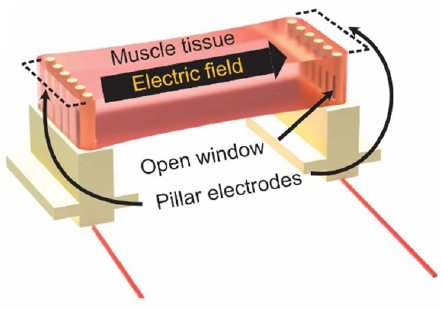
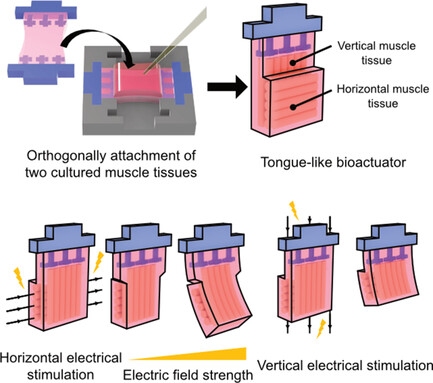
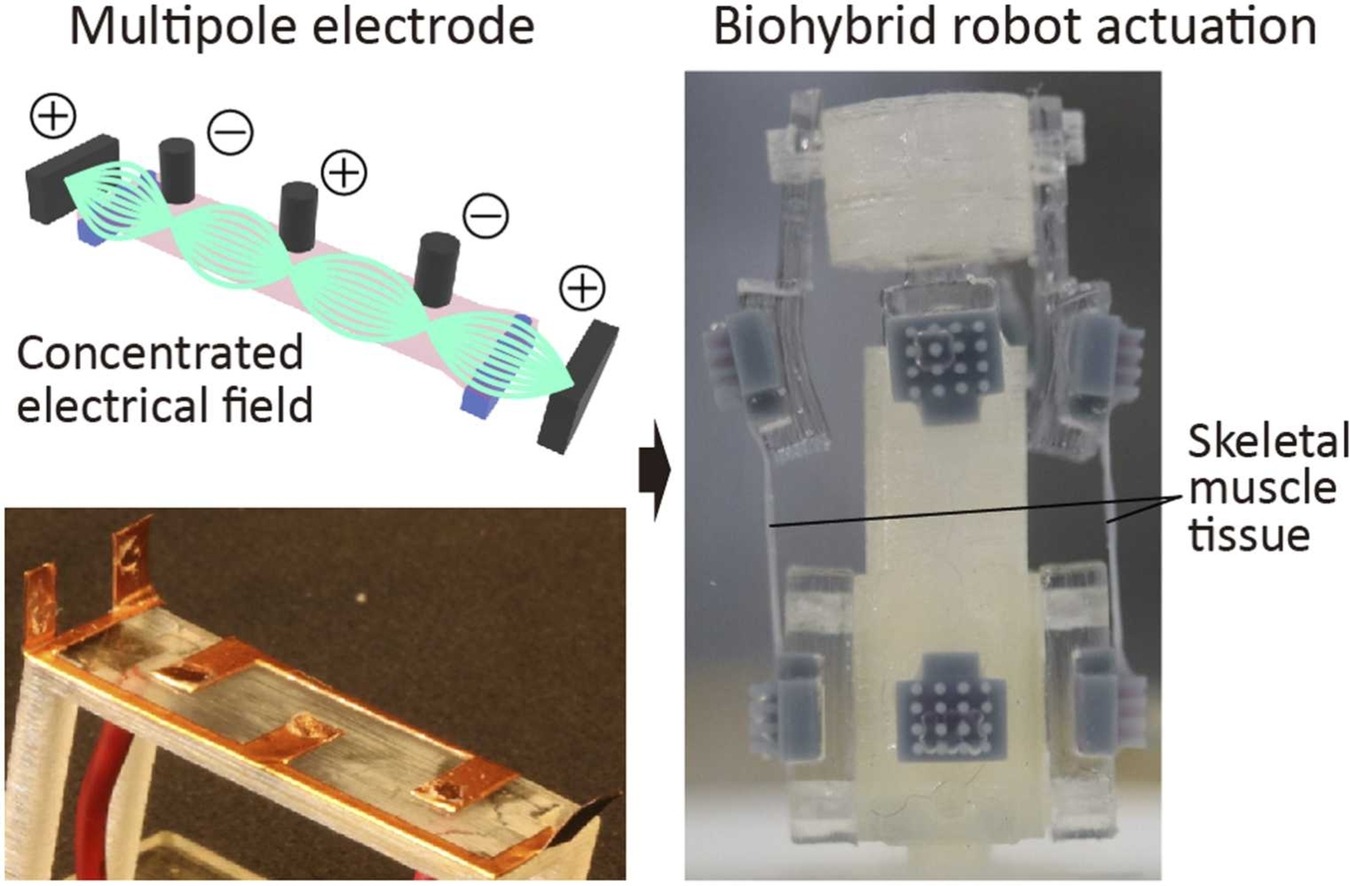
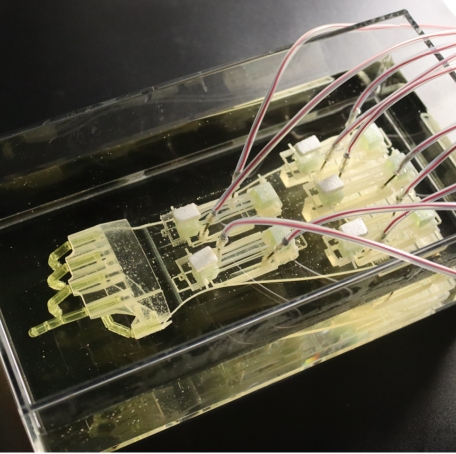
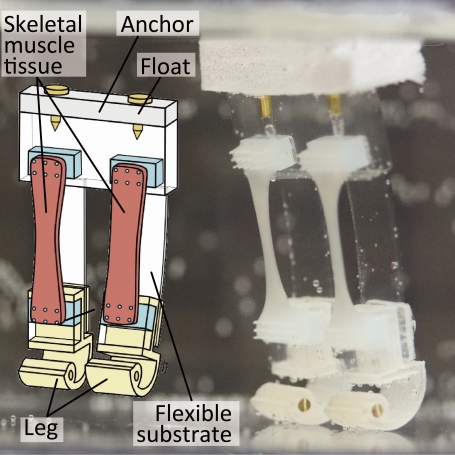
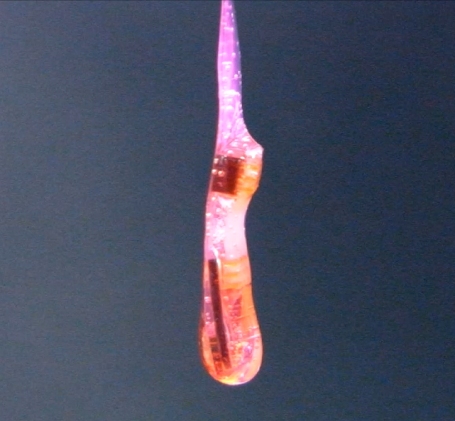
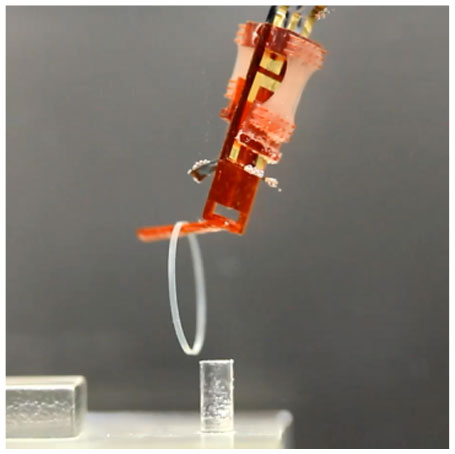
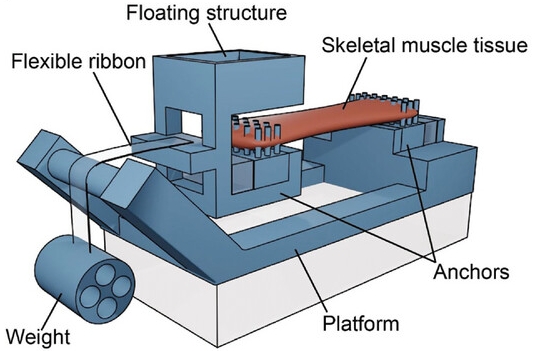
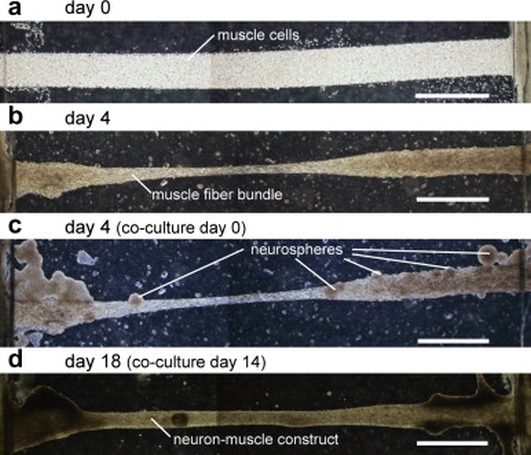
We develop robotic and mechanical systems that incorporate the functions of living cells and engineered tissues, including actuation, sensing, and energy conversion. Our research primarily focuses on using engineered skeletal muscle tissues as biological actuators to create biohybrid robots powered by chemical energy. We are also developing methods to control muscle contraction using electrodes and to generate complex motions by combining multiple muscle tissues.
In the future, we aim to integrate biological actuators with sensors, signal-processing components, and control mechanisms to develop autonomous biohybrid robotic systems that make full use of the unique capabilities of living tissues.
Pick up Research
Physiological Model Systems
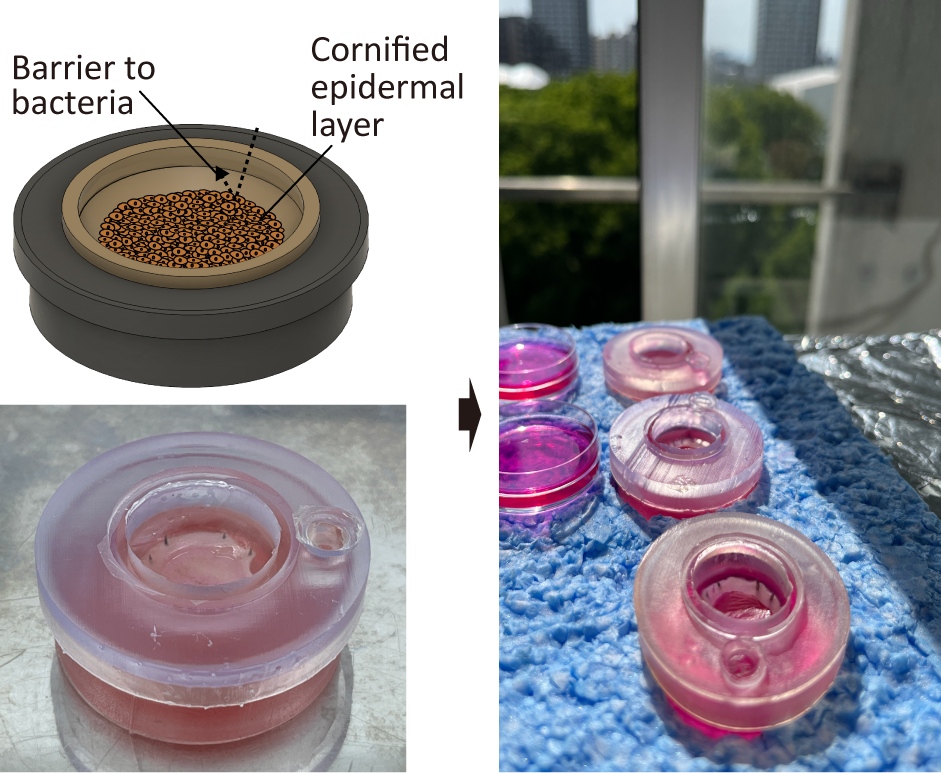
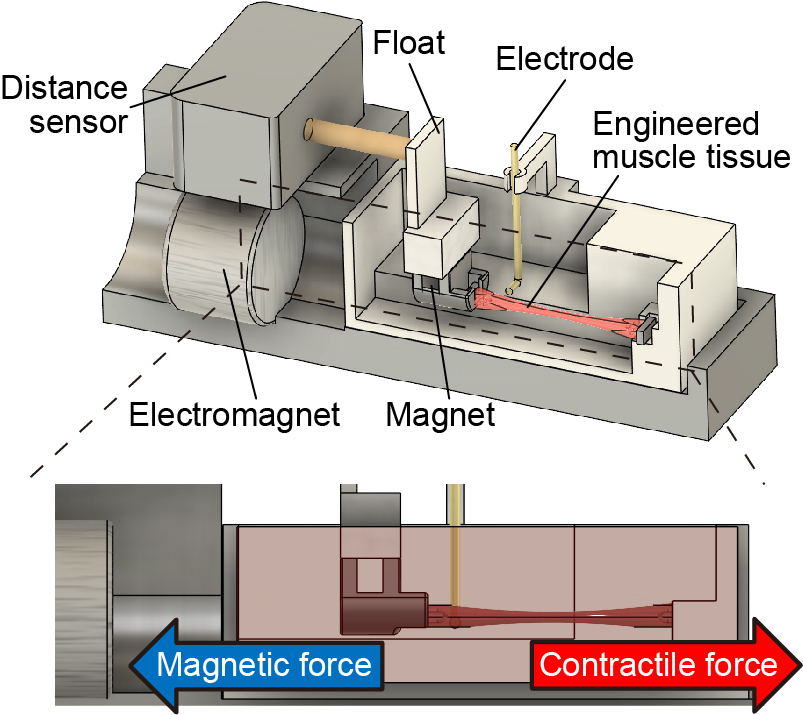
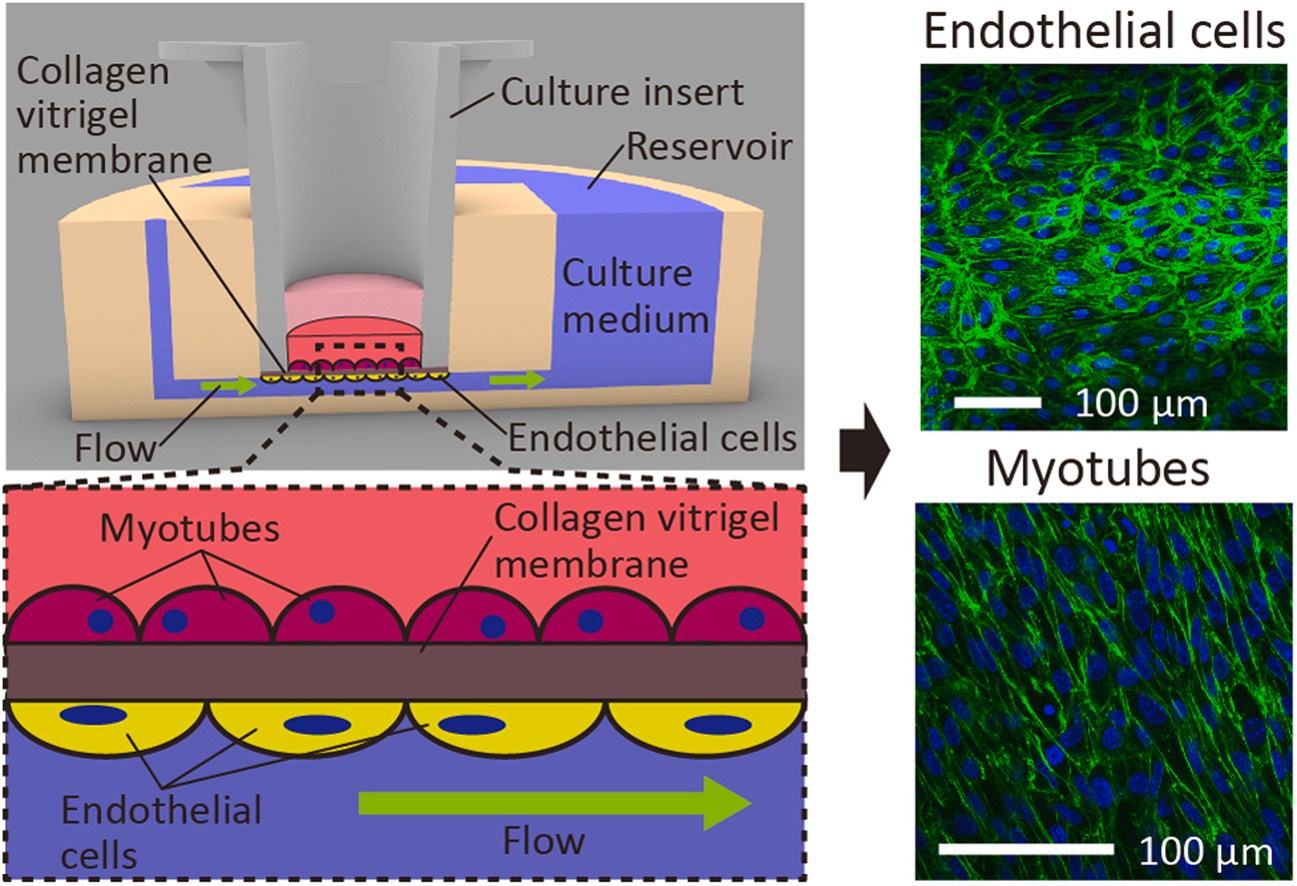
We develop in vitro systems that reproduce the structures, functions, and stimulus responses of living tissues. By combining engineered tissues with devices for stimulation, cultivation, and measurement, we recreate aspects of muscles, skin, blood vessels, nerves, intestines, and other biological systems. These platforms allow tissue responses to mechanical loading, fluid flow, light, chemicals, and other environmental factors to be evaluated under controlled conditions.
Our physiological model systems are related to microphysiological systems, organ-on-a-chip technologies, and advanced in vitro tissue models. They may contribute to understanding biological functions, evaluating pharmaceuticals and cosmetics, developing disease models, and reducing reliance on animal experiments.
Pick up Research
Engineered Tissues & Cultivated Meat
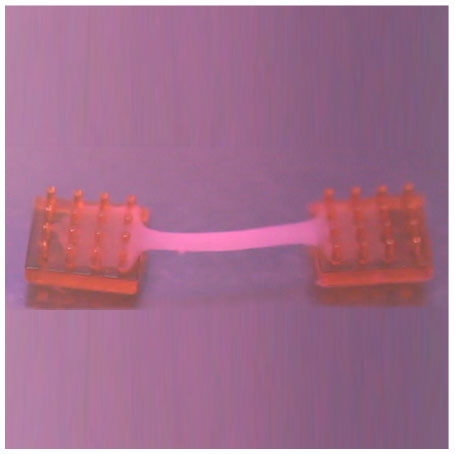
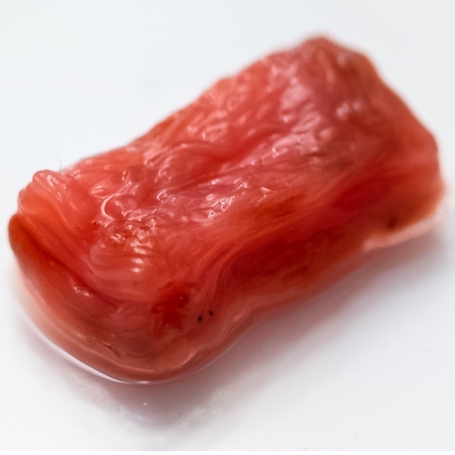
We develop methods for constructing engineered tissues with substantial thickness and three-dimensional structures by assembling and culturing cells. By engineering cell alignment, tissue geometry, culture materials, and nutrient supply, we aim to create larger and more functional tissues, including muscle and adipose tissues.
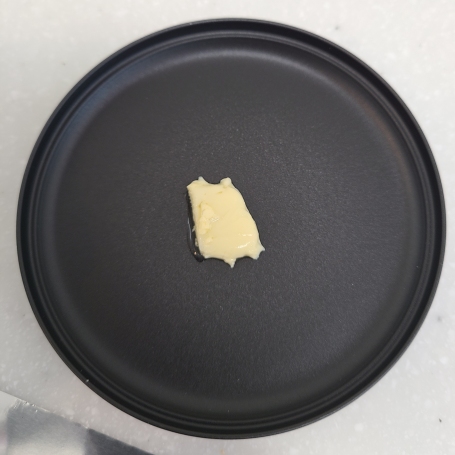
We are also developing muscle tissues using edible materials and working toward cultivated meat with realistic structure and texture. By applying these tissue-engineering technologies to food production, regenerative medicine, and biological research materials, we aim to advance the industrial use of cell-based tissues.
Pick up Research
BioMEMS
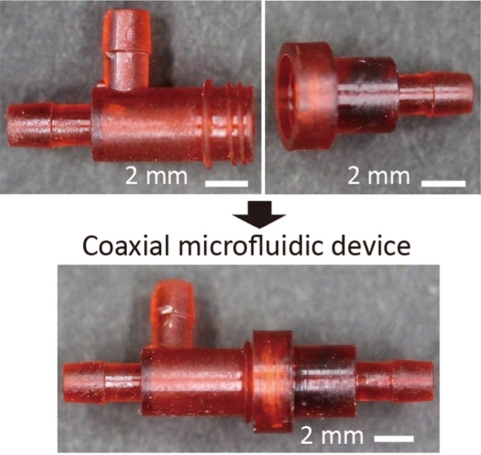
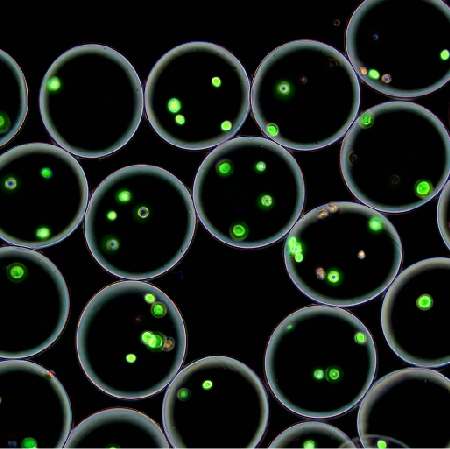
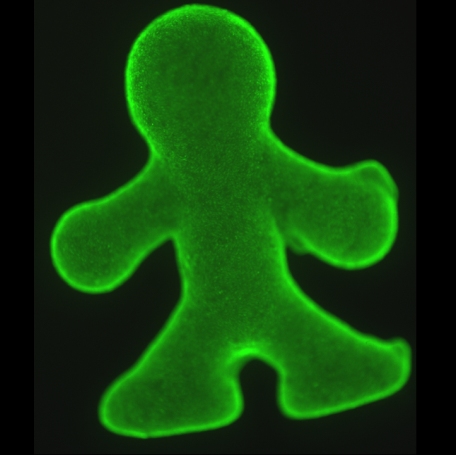
We develop microscale devices for manipulating cells and biological materials using microfabrication, microfluidics, and three-dimensional printing. Our technologies include the manipulation of cells, droplets, and microparticles in microchannels, the fabrication of microcapsules and cell-laden particles, and the development of micropumps, electrodes, and three-dimensional wiring structures. We design and fabricate original devices tailored to the requirements of each research project.
BioMEMS provides the technological foundation for all of our research on biohybrid robotic systems, physiological model systems, engineered tissues, and cultivated meat.